YOUR PROPERTIES EXPERTLY MANAGED
Estate Management Services for Niwot, Colorado
Professional fractional property oversight for Niwot's acreage estates, historic properties, and luxury residences in Left Hand Valley's most distinguished rural community
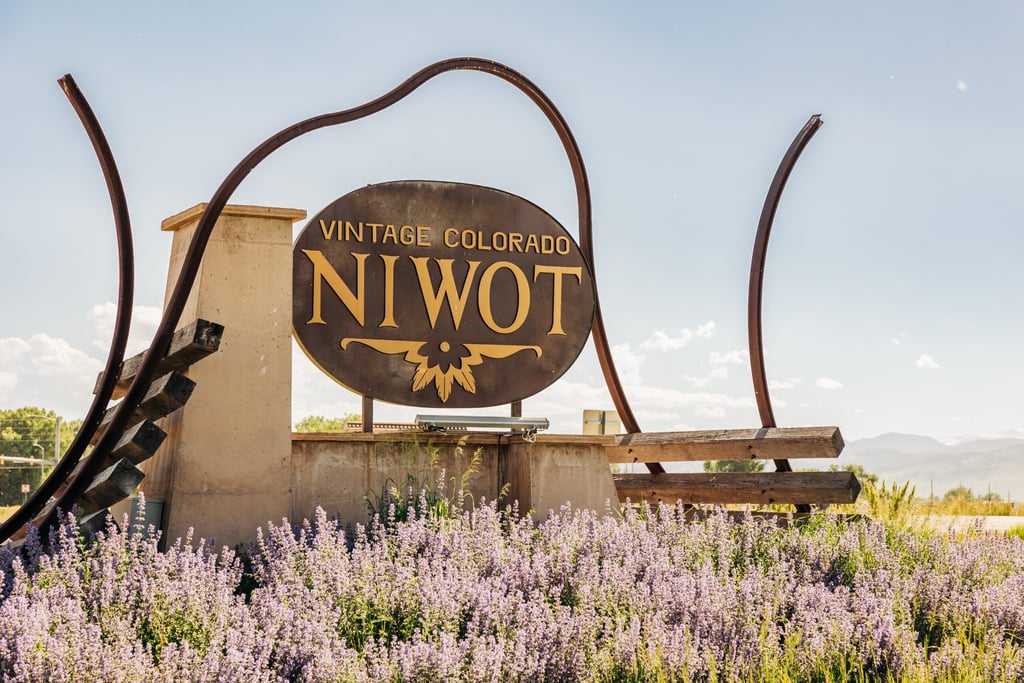
UNDERSTANDING NIWOT'S UNIQUE CHARACTER
Niwot represents one of Boulder County's most charming and historically significant communities. This small unincorporated area maintains its rural character, agricultural heritage, and small-town atmosphere while attracting discerning homeowners who appreciate its combination of privacy, natural beauty, and proximity to Boulder's cultural and professional amenities.
Unlike Boulder's urban density or Erie's suburban development, Niwot offers something increasingly rare along Colorado's Front Range: genuine rural character, larger properties, agricultural legacy, and a tight-knit community that has successfully resisted the pressures of suburban sprawl. Properties range from historic farmhouses on working agricultural land to contemporary luxury estates on multi-acre parcels, from charming homes in Niwot's historic downtown to sophisticated residences in Left Hand Valley.
The community's appeal extends far beyond real estate values—Niwot represents a lifestyle choice. Residents value the area's agricultural heritage, open space preservation, historic downtown character, excellent schools (Boulder Valley School District), and the deliberate choice to maintain small-town character despite proximity to Boulder and the rapidly developing Front Range corridor.
Since 2011, Colorado Estate Management has provided sophisticated fractional estate management services throughout Niwot and Left Hand Valley. We understand the unique characteristics that define this special community—from acreage properties requiring comprehensive grounds and outbuilding management to historic homes demanding preservation expertise, from equestrian facilities to agricultural land stewardship, from privacy-focused estates to vacation properties requiring year-round oversight.
NIWOT'S HISTORY AND HERITAGE
Historical Significance
Niwot's history dates to the 1860s, making it one of Boulder County's oldest communities. The town was named after Chief Niwot (Left Hand) of the Arapaho tribe, reflecting the area's Native American heritage and the Left Hand Creek that flows through the valley.
The community developed as an agricultural center serving the surrounding farming and ranching operations. The arrival of the railroad in the 1870s established Niwot as a shipping point for grain, livestock, and agricultural products, cementing its role as a regional agricultural hub.
Historic Downtown Niwot
Old Town Niwot maintains its historic character with buildings dating from the late 1800s and early 1900s:
Second Avenue: The historic main street featuring preserved commercial buildings, many now housing boutiques, galleries, restaurants, and specialty shops
Niwot Tavern: Historic establishment dating to 1873, one of Colorado's oldest continuously operating bars
Whistle Stop Depot: Former railroad depot now serving as a community gathering place
Historic Commercial District: Buildings reflecting late 19th and early 20th century small-town Colorado architecture
The historic downtown has been carefully preserved and revitalized, creating a charming destination that serves both residents and visitors while maintaining its authentic character.
Agricultural Heritage
Niwot's agricultural legacy continues today:
Working farms and ranches surrounding the town
Preserved agricultural lands and open space
Local farmers' markets and agricultural events
Equestrian community and horse properties
Agricultural water rights and irrigation systems dating to early settlement
This agricultural heritage influences property management approaches—many Niwot properties include barns, outbuildings, pastures, irrigation systems, and other features reflecting the area's farming and ranching history.
GEOGRAPHIC LOCATION AND NATURAL SETTING
Location and Access
Niwot occupies a strategic position in Boulder County's Left Hand Valley:
Boulder Access: 10-15 minutes to Boulder via Highway 119 (Diagonal Highway) or Niwot Road
Denver Access: 40-45 minutes to downtown Denver via Highway 119 to I-25 or US-36
Airport Proximity: 35-40 minutes to Denver International Airport
Broomfield and Louisville: 15-20 minutes to employment corridors and services
Longmont: 10 minutes north via Highway 119
This location provides rural character with reasonable access to employment, services, and amenities—a combination increasingly rare along the Front Range.
Elevation and Climate
Elevation: Approximately 5,050-5,200 feet
Climate Characteristics:
Semi-arid with approximately 15-17 inches of annual precipitation
300+ days of sunshine annually
Temperature range: Summer highs 85-95°F, winter lows 10-20°F
Dramatic temperature fluctuations (40-50 degree daily swings are common)
Lower humidity than eastern locations
Intense sun exposure at altitude
Natural Features
Left Hand Creek: Flows through a valley providing water, riparian habitat, and agricultural irrigation
Foothills Views: Western views of the Continental Divide and Indian Peaks
Agricultural Plains: Open agricultural lands create a rural character and views
Wildlife Habitat: Deer, elk (occasional), coyotes, foxes, raptors, and diverse bird species
Open Space: Boulder County Open Space preserves the surrounding Niwot, protecting views and character
WHY NIWOT HOMEOWNERS CHOOSE FRACTIONAL ESTATE MANAGEMENT
The Privacy and Space Seeker Profile
Niwot attracts homeowners specifically seeking properties offering privacy and space impossible to find in Boulder or suburban communities:
Acreage Properties: 2 to 40+ acre parcels providing genuine separation from neighbors
Rural Character: Agricultural surroundings, open views, dark skies, quiet nights
Privacy and Seclusion: Properties offering true privacy while remaining accessible to Boulder
Room for Activities: Space for horses, workshops, gardens, and outdoor recreation equipment
Natural Surroundings: Wildlife, agricultural landscapes, mountain views
These larger properties create management complexity requiring specialized expertise. Traditional property management companies focus on single-family suburban homes—they lack both interest and capability in managing multi-acre estates with outbuildings, agricultural features, and extensive grounds.
The Boulder Professional Seeking Balance
Many Niwot luxury homeowners maintain demanding professional careers in Boulder while choosing Niwot for lifestyle benefits:
Professional Profiles:
University of Colorado faculty, researchers, and administrators
Boulder tech company executives and professionals (Google, Twitter, Oracle, startups)
Healthcare professionals at Boulder hospitals and medical practices
Attorneys, consultants, and professional service providers
Research scientists at NIST, NOAA, NCAR, and other Boulder institutions
Entrepreneurs and business owners
Why They Choose Niwot:
Rural Lifestyle with Boulder Access: 10-15 minute commute, maintaining connection to Boulder professional and cultural amenities
Escape from Boulder Density: Space, privacy, quiet, contrasting with Boulder's urban intensity
Property Investment Opportunity: More land and house for the investment compared to Boulder
Agricultural Character: Appreciation for Niwot's farming heritage and rural atmosphere
School Quality: Boulder Valley School District's strong reputation serving Niwot
Community Character: Small-town atmosphere with engaged, like-minded residents
These professionals have demanding careers requiring complete focus. Their Niwot properties should provide sanctuary and lifestyle enhancement—not create additional management burdens competing for limited time.
The Equestrian Property Owner
Niwot's agricultural heritage and available acreage make it one of Boulder County's premier locations for horse properties:
Equestrian Facilities Common in Niwot:
Horse barns and stables (2-12+ stalls typical)
Riding arenas (outdoor arenas are common, some covered/indoor)
Pastures and paddocks for grazing and turnout
Loafing sheds and run-in shelters
Tack rooms and feed storage
Horse wash areas and grooming facilities
Manure management systems (composting areas or removal services)
Equestrian properties require specialized management knowledge beyond typical residential oversight—understanding fence maintenance standards for livestock containment, pasture rotation and health, barn facility upkeep, and coordination with farriers, veterinarians, and equestrian services.
The Agricultural Land Steward
Some Niwot properties include working agricultural land or retained agricultural features:
Agricultural Leases: Land leased to farmers for crop production
Hay Production: Properties maintaining hay fields and coordinating cutting/baling
Historic Barns and Outbuildings: Preservation of agricultural structures
Agricultural Water Rights: Properties with historical irrigation rights
Irrigation Ditches: Maintenance of ditch systems and coordination with ditch companies
These properties require an understanding of agricultural operations, water rights law, tenant farmer relationships, and appropriate maintenance of agricultural infrastructure.
The Second Home or Vacation Property Owner
Niwot's character attracts second-home owners seeking a Colorado rural experience:
Out-of-State Owners: Maintaining Colorado property while residing elsewhere
Denver Metro Residents: Weekend/vacation retreat offering rural character close to Denver
Seasonal Users: Properties used intensively in certain seasons, vacant in others
Investment Properties: Long-term holdings appreciate while occasionally used
Second home ownership in Niwot creates specific management needs: property oversight during extended absences, seasonal preparation and winterization, pre-arrival property readiness, emergency response capability when owners are away, and coordination of maintenance without owner presence.
The Historic Property Preservationist
Niwot features historic properties requiring specialized stewardship:
Historic Farmhouses: Original homesteads from 1880s-1920s
Victorian and Turn-of-Century Homes: Period architecture reflecting early settlement
Agricultural Buildings: Historic barns, granaries, and outbuildings
Mid-Century Ranch Properties: Well-built homes from the 1950s to 1970s on larger lots
Historic property ownership in Niwot often reflects appreciation for agricultural heritage, architectural character, and connection to Colorado's settlement history. These properties require contractors who understand historic construction methods, appropriate materials, and preservation approaches.
NIWOT CLIMATE AND SEASONAL CONSIDERATIONS
Winter Management (November-March)
Niwot winters require proactive property management:
Freeze Prevention:
Well House Winterization: Ensuring well houses are adequately heated or insulated
Exposed Pipe Protection: Heat tape and insulation for any exposed plumbing
Livestock Water Systems: Preventing freeze-up of automatic waterers and tanks
Irrigation System Winterization: Thorough blowout of all irrigation lines, valves, and backflow preventers
Hose Bib Winterization: Draining and protecting all exterior faucets
Snow Management:
Long Driveway Plowing: Coordinating snow removal for extended private drives
Barn and Outbuilding Access: Ensuring pathways to barns and outbuildings are cleared
Roof Snow Load Monitoring: Watching barn and outbuilding roofs for excessive snow accumulation
Livestock Access: Maintaining access to pastures, paddocks, and shelter for horses
Feed and Supply Access: Ensuring feed rooms and equipment remain accessible
Heating and System Monitoring:
Main Residence Heating: Ensuring adequate heat is maintained (minimum 55-60°F when vacant)
Barn Heating: Monitoring heated tack rooms or other heated barn areas
Backup Systems: Testing generators and backup heating systems
Vacant Property Checks: Increased inspection frequency during extreme cold
Spring Transition (March-May)
Spring brings specific management needs:
Irrigation Startup:
System Inspection: Checking all components after winter dormancy
Pressure Testing: Identifying any winter damage before full operation
Controller Programming: Setting schedules for seasonal needs
Agricultural Irrigation: Coordinating the startup of farm systems, if applicable
Pasture Irrigation: Beginning watering schedules for grazing areas
Pasture and Field Management:
Spring Pasture Recovery: Assessing winter damage and bare areas
Weed Control: Addressing early weed growth before seed production
Fertilization: Spring fertilizer application for pastures and hay fields
Rotation Planning: Implementing grazing rotation as the grass begins growing
Property Spring Cleanup:
Winter Debris Removal: Clearing branches, leaves, and winter accumulation
Ditch and Drainage Cleaning: Clearing ditches and culverts before spring runoff
Fence Line Clearing: Removing debris and checking for winter damage
Outbuilding Inspection: Assessing any winter damage to barns and other structures
Summer Season (June-September)
Summer management priorities:
Irrigation Management:
Water Usage Optimization: Balancing landscape and agricultural needs with water conservation
System Monitoring: Regular inspection of irrigation systems during peak use
Drought Management: Adjusting watering during dry periods or water restrictions
Pasture Irrigation: Maintaining grazing areas through summer heat
Landscape Health: Preventing drought stress while conserving water
Fire Season Awareness:
Defensible Space: Maintaining clearance around structures per fire safety recommendations
Dry Vegetation Management: Mowing or removing dry grass and weeds near buildings
Access Maintenance: Ensuring fire department access to the property
Awareness and Monitoring: Staying informed about fire danger and restrictions
Agricultural Activities:
Hay Cutting Coordination: Managing the timing of cutting and baling operations
Weed Control: Ongoing noxious weed management throughout the growing season
Pasture Rotation: Active grazing rotation management for optimal pasture health
Fall Preparation (September-November)
Fall brings critical preparation tasks:
Winterization:
Irrigation System Blowout: Comprehensive winterization before the first hard freeze
Hose and Faucet Protection: Draining and preparing all exterior water sources
Well System Preparation: Ensuring well houses are ready for winter
Livestock Water Planning: Preparing for winter watering systems
Property Preparation:
Gutter Cleaning: Critical before winter snow and ice
Drainage Clearing: Ensuring proper drainage before winter precipitation
Tree Trimming: Removing dead branches before winter storms
Outbuilding Weatherization: Checking weather-stripping, door seals, and roof condition
Equipment and System Checks:
Snow Removal Equipment: Ensuring tractors, plows, and blowers are serviced and ready
Heating System Service: Annual furnace maintenance before heating season
Generator Testing: Verifying backup power systems are operational
Vehicle Winterization: Preparing any farm vehicles or equipment for winter storage
NIWOT ESTATE MANAGEMENT SUCCESS STORIES
Case Study 1: Boulder Professor's 10-Acre Horse Property
The Challenge:
A University of Colorado professor and his wife purchased a 10-acre Niwot property featuring a six-stall barn, riding arena, four board-fenced pastures, and a 1,500-foot gravel driveway. They maintained three horses but had zero experience managing equestrian facilities. The professor's demanding academic schedule included frequent conferences and research travel, while his wife managed a busy medical practice in Boulder.
Their first year was overwhelming: fence repairs needed constantly, barn maintenance was neglected, pastures became overgrazed and weedy, the arena footing deteriorated, the driveway developed washouts, and they had no reliable system for coordinating farrier and veterinary visits. The property they purchased for enjoyment had become a source of constant stress.
Our Solution:
We implemented comprehensive equestrian property management:
Barn Inspection and Maintenance Schedule: Monthly inspections identifying needed repairs, coordination with contractors experienced in agricultural buildings
Fence Management Program: Quarterly fence line inspection, systematic repair of damaged rails and posts, five-year painting/staining schedule
Pasture Rotation System: Implemented rotational grazing, preventing overgrazing, coordinated fertilization and weed control, and planned an irrigation schedule
Arena Maintenance: Coordinated footing grooming, material replenishment, and fence repair
Equestrian Service Coordination: Established a farrier schedule with automatic property access, coordinated veterinary visits, and managed feed delivery
Driveway Maintenance: Regular grading, preventing washouts, pothole repair, and drainage improvement
The Results:
The property now operates seamlessly. All facilities maintain excellent condition through systematic oversight. Pastures remain healthy and productive through proper rotation. The horses receive consistent care with coordinated professional services. The professor and his wife travel confidently for work, knowing their property and animals are expertly managed. They now enjoy their equestrian lifestyle rather than feeling overwhelmed by property demands.
Case Study 2: Out-of-State Owner's 35-Acre Estate
The Challenge:
A California-based business executive purchased a 35-acre Niwot estate as a Colorado retreat and future retirement property.
The property featured a 5,000-square-foot main residence, historic barn, guest cottage, 20 acres of hay fields leased to a local farmer, and extensive landscaping. He visited quarterly for long weekends but needed year-round property oversight.
During his first year of ownership, problems accumulated during his absences: the well pump failed and he didn't know until arriving for a visit (no water for the weekend), winter freeze damaged exposed pipes, the tenant farmer had questions about irrigation timing and equipment repair, landscaping declined without regular care, and he felt anxious about the property's condition when away.
Our Solution:
We implemented comprehensive absentee owner property management:
Weekly Property Inspections: Regular walkthroughs checking all systems, buildings, and grounds with detailed photo reports
Well and Septic Oversight: Monitoring well performance, coordinating pump replacement, scheduled septic pumping, and water quality testing
Freeze Prevention Protocol: Comprehensive winterization, heat monitoring during owner absence, regular winter property checks
Tenant Farmer Liaison: Serving as local contact for farmer questions, coordinating irrigation system repairs, and monitoring field conditions
Landscape Maintenance: Weekly service during growing season, irrigation management, seasonal plantings
Pre-Arrival Preparation: Property fully prepared before each owner visit (heat adjusted, water tested, any issues addressed, fresh flowers, stocked basics)
Emergency Response: Immediate response to any issues with authority to make decisions, protecting property
The Results:
The owner now travels to his Niwot retreat with complete confidence. The property is always ready and perfect upon arrival. All systems function reliably with proactive maintenance, preventing emergencies. The tenant farmer relationship operates smoothly through our local coordination. Landscaping remains immaculate year-round. The property serves its intended purpose as a worry-free Colorado retreat while appreciating in value through expert stewardship.
Case Study 3: Historic Farmhouse Restoration and Management
The Challenge:
An architect couple purchased a 1890s historic farmhouse on five acres in Niwot specifically for its character and restoration potential. The property featured original Victorian details but extensive deferred maintenance: failing roof, deteriorating exterior paint, plaster damage, aging mechanical systems, a historic barn in poor condition, and overgrown grounds. Both worked demanding careers in Boulder with limited time for managing the multi-year restoration they envisioned.
Their first months proved overwhelming: researching contractors capable of appropriate historic work, coordinating multiple bids, making countless restoration decisions, scheduling work around their careers, and feeling paralyzed by the scope of needed restoration.
Our Solution:
We implemented phased historic property restoration management:
Comprehensive Property Assessment: Detailed documentation of all conditions, prioritized restoration plan (critical systems first, cosmetic later)
Historic Contractor Network: Identified and coordinated craftspeople experienced with Victorian-era construction, appropriate materials, and preservation techniques
Phased Project Management: Phase 1 (Roof and foundation), Phase 2 (Systems: HVAC, plumbing, electrical), Phase 3 (Plaster restoration), Phase 4 (Exterior restoration), Phase 5 (Cosmetic finishes)
Decision Support: Expert guidance on restoration approaches, balancing historic preservation with modern functionality
Contractor Coordination: Managed all contractor scheduling, oversight, and quality verification during their work hours
Historic Barn Stabilization: Coordinated structural repairs, preventing further deterioration while planning full restoration
Grounds Restoration: Cleared overgrowth, established basic landscape care, and planned period-appropriate gardens for future phases
The Results:
Three years later, the property stands as one of Niwot's finest examples of appropriate Victorian restoration. The architect couple's professional expertise informed design decisions while we managed the complex coordination, making restoration possible around their careers. The property has been featured on historic home tours, demonstrates the rewards of patient and knowledgeable stewardship, and serves as their beloved home rather than an overwhelming project.
WORKING WITH NIWOT'S CONTRACTOR NETWORK
Niwot's rural character and specialized property types require contractors with specific capabilities:
Acreage and Large Property Specialists:
Landscapers equipped for multi-acre properties
Commercial-grade mowing equipment and expertise
Understanding of pasture management and agricultural areas
Capability for large-scale projects and ongoing maintenance
Equestrian Facility Contractors:
Barn and agricultural building repair specialists
Fence contractors experienced with board fence and horse fencing
Arena footing specialists
Understanding of livestock facility requirements and safety
Well and Septic Professionals:
Licensed well drillers and pump contractors
Septic system installers and maintenance providers
Water quality testing laboratories
Treatment system specialists (softeners, filters, UV)
Agricultural Services:
Irrigation system specialists familiar with agricultural water rights
Hay cutting and baling operations
Pasture management and weed control
Agricultural equipment repair
Historic Property Craftspeople:
Contractors experienced with Victorian and turn-of-the-century construction
Plaster repair specialists
Historic window restoration
Period-appropriate materials and techniques
Rural Property Services:
Driveway grading and maintenance
Culvert and drainage contractors
Tree services with large equipment access
Snow removal for long driveways
Our established network includes these specialized contractors, ensuring Niwot properties receive appropriate care from professionals who understand rural and agricultural property requirements.
FREQUENTLY ASKED NIWOT-SPECIFIC QUESTIONS
Question: Do you manage properties throughout all of Niwot and Left Hand Valley?
Yes. We provide estate management services throughout Niwot, including Old Town historic properties, acreage estates throughout Left Hand Valley, equestrian properties, and agricultural land. Our service area includes all of Niwot and the surrounding rural areas within reasonable proximity.
Question: How do you handle well and septic systems?
We coordinate with licensed well contractors and septic professionals for all maintenance, testing, repairs, and emergencies. For wells, this includes monitoring performance, scheduling pump maintenance, coordinating water quality testing, and addressing any issues. For septic, we manage pumping schedules (typically every 2-4 years), monitor system performance, and coordinate repairs when needed.
Question: How do you handle the long driveways common in Niwot?
Long private driveways require specific maintenance: regular grading for gravel drives, maintaining proper crown and drainage, pothole repair, material replenishment, snow removal coordination, and culvert/drainage maintenance. We coordinate these services, ensuring your driveway remains in good condition and accessible year-round.
Question: What about properties with agricultural water rights?
We work with properties having agricultural water rights, coordinating with ditch companies regarding water delivery schedules, maintaining ditch access and clearing requirements, ensuring proper water usage, and documenting water rights. This requires an understanding of Colorado water law and agricultural irrigation practices.
Question: Can you manage my property when I'm only here a few weeks per year?
Absolutely. Absentee owner property management is one of our specialties. We provide regular inspections (weekly, bi-weekly, or monthly, depending on property needs), emergency response capability, pre-arrival property preparation, and comprehensive oversight, ensuring your property maintains excellent condition regardless of your absence.
Question: Do you work with historic properties requiring specialized care?
Yes. We have extensive experience with historic Niwot properties, including Victorian farmhouses, turn-of-the-century homes, and historic agricultural buildings. Our contractor network includes craftspeople experienced with historic construction methods, appropriate materials, and preservation techniques. We understand balancing historic character preservation with modern functionality.
SCHEDULE YOUR COMPLIMENTARY NIWOT PROPERTY ASSESSMENT
Every Niwot property presents unique characteristics—from sprawling acreage estates to charming historic homes, from sophisticated equestrian facilities to agricultural land. We invite Niwot and Left Hand Valley homeowners to schedule a complimentary property assessment.
During this consultation, we will:
Walk through your entire property, including all acreage, outbuildings, and specialized features
Discuss your specific needs (equestrian facilities, agricultural land, historic preservation, absentee ownership, etc.)
Evaluate your systems, including well, septic, irrigation, and all mechanical systems
Assess acreage-specific requirements: fencing, pastures, outbuildings, driveways
Review any agricultural features, water rights, or tenant relationships
Provide an honest assessment of whether our services suit your property and situation
Answer all questions about fractional estate management for rural and agricultural properties
No obligation. No pressure. Just a professional consultation about your Niwot property's unique needs.
Call Andrew directly: 303-807-9577
Fractional Estate Management
Service areas: Erie, Broomfield, Lafayette, Superior, Niwot, Longmont, Denver, Cherry Hills Village, and Boulder
YOUR HOME SHOULD ENHANCE YOUR LIFE, NOT COMPLICATE IT
Fractional estate management for busy professionals and discerning homeowners who want expert property care without the complexity of hiring full-time staff.
Andrew H. Beardsley Owner
© 2011-2026. All rights reserved